

Log Cabin Holidays in Scotland for 2026
Scotland does something to you. The moment you cross the border and the hills open up, the urge to slow down — really slow down — kicks in. A log cabin somewhere in the Highlands, or tucked beside a loch, is one of the most satisfying ways to answer that urge.
This guide covers the best regions in Scotland for a log cabin holiday in 2026: what each area offers, who it suits, when to go, and what to look for when you’re browsing properties.
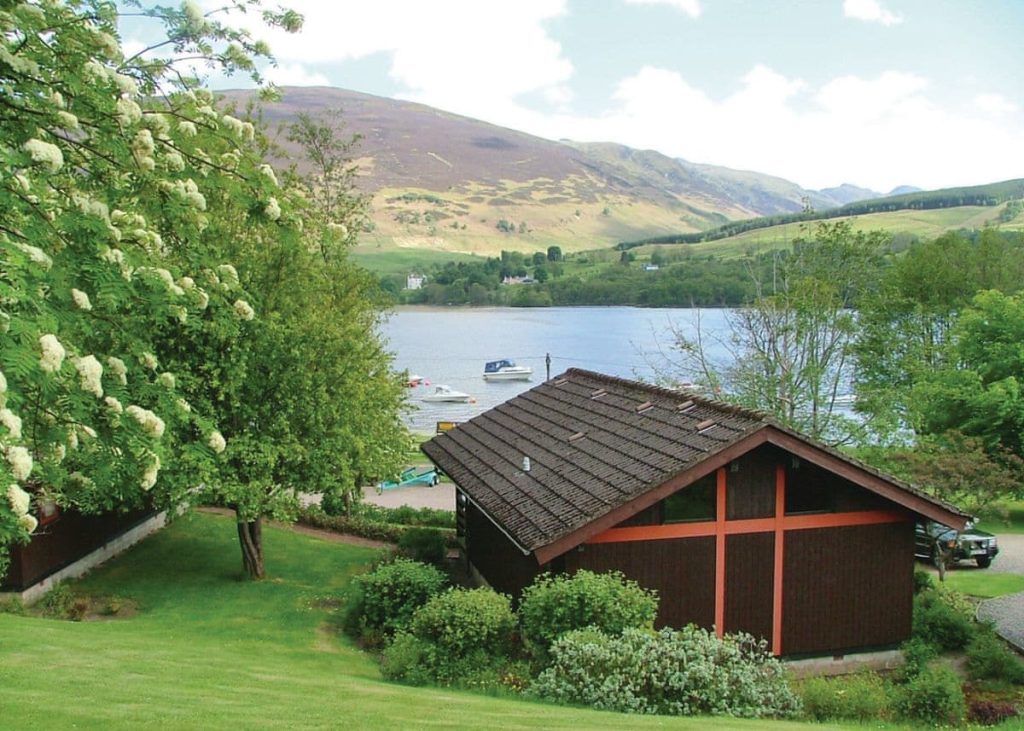
Why Scotland for a Cabin Break?
The short answer: nowhere else in the UK comes close for sheer scale of wild landscape. Scotland has mountains, ancient forests, sea lochs, and glens — often all within a short drive of each other. Cabin breaks here feel genuinely remote, even when you’re only an hour from a city.
It’s also one of the most searched destinations for cabin holidays in the UK, which means there’s a solid range of properties across different budgets and group sizes. Whether you want a simple two-person retreat or a large lodge for a family gathering, Scotland has options.
The Best Regions for Log Cabin Holidays in Scotland
Scottish Highlands
The Highlands are the obvious starting point, and for good reason. This is big, dramatic country — Munros, pine forests, red deer, and skies that feel twice the size of anywhere else. Cabins here range from basic self-catering lodges near Inverness to more secluded retreats deeper in the glens.
The area around Aviemore and the Cairngorms National Park is particularly popular for cabin breaks. You get access to forest walks, cycling trails, and the River Spey, all within easy reach. In winter, Aviemore also sits close to the Cairngorm ski slopes, making it a rare option for a Scottish ski-and-cabin combination.
Further north, Sutherland and Wester Ross offer a more isolated feel. Properties here tend to book up well in advance during summer, so if you’re planning a Highlands cabin break between June and August 2026, searching early is worth it.
Best for: Couples and families who want genuine wilderness, walking, and wildlife.
Loch Lomond and The Trossachs
Loch Lomond is Scotland’s most accessible wild escape. It sits less than an hour from Glasgow and under two hours from Edinburgh, which makes it a favourite for weekend breaks. The loch itself stretches for 24 miles, and the surrounding national park takes in woodland, waterfalls, and some excellent low-level walking routes.
Log cabins around Loch Lomond tend to be in high demand year-round, partly because of the location and partly because the scenery is genuinely stunning in every season. Autumn is particularly good — the trees around the loch turn amber and gold, and the crowds thin out compared to July and August.
The Trossachs, sometimes called the “Highlands in miniature,” sit just east of Loch Lomond and offer a slightly quieter alternative. Loch Katrine and the forests around Aberfoyle make for excellent walking and cycling territory.
Best for: Those who want easy access from central Scotland without sacrificing scenery.
Perthshire
Perthshire is one of Scotland’s most underrated cabin destinations. It sits right in the heart of the country, with Loch Tay, the River Tay, and the Tummel Valley all within reach. The landscape here is gentler than the far north but no less beautiful — rolling hills, ancient oak woods, and some of Scotland’s most scenic river valleys.
Pitlochry is the main town and a good base for exploring the area. Nearby, the Pass of Killiecrankie and the Falls of Bruar are worth a visit. Loch Tay itself has a handful of cabin and lodge properties with direct water views, which are some of the most sought-after in Scotland.
Perthshire also tends to be slightly more affordable than the Highlands or Loch Lomond, which makes it a good option if you’re watching your budget without wanting to compromise on scenery.
Best for: Families, couples, and groups looking for a central location with good value.
Argyll and the West Coast
Argyll stretches down Scotland’s west coast and takes in a patchwork of sea lochs, islands, and ancient woodland. It’s a slower, quieter part of Scotland than the Highlands — less visited, but no less rewarding.
Loch Fyne, Loch Awe, and the Kintyre Peninsula are all worth exploring. Cabins in this region often sit right on the water, with views across the loch to the hills beyond. Seafood is a highlight here too — Loch Fyne oysters are famous for a reason.
The Cowal Peninsula and the area around Inveraray are particularly good for cabin breaks. You get genuine seclusion without the long drive north that some of the Highlands properties require.
Best for: Travellers who want coastal scenery, peace, and a slower pace.
Dumfries and Galloway
Often overlooked in favour of the Highlands, Dumfries and Galloway in south-west Scotland is worth serious consideration. The Galloway Forest Park is one of the largest in the UK and one of only a handful of Dark Sky Parks in the country — if stargazing is on your list, this is one of the best places in the UK to do it.
The coastline here faces the Solway Firth and the Irish Sea, with sandy beaches and dramatic cliffs. Cabins in this region are often more affordable than those further north, and the area is easily reached from northern England as well as central Scotland.
Best for: Stargazers, families, and anyone travelling from the north of England.
When to Go
Scotland is genuinely worth visiting in any season, but each has its character.
- Spring (April to May): Quieter, fresh, and the countryside is coming back to life. Good availability and often lower prices.
- Summer (June to August): Peak season. Long daylight hours, the best weather odds, and midges. Book well ahead.
- Autumn (September to October): Many people’s favourite. The colours are extraordinary, the crowds drop off, and the weather can still be kind.
- Winter (November to March): Cold and dramatic. Ideal for log fires, stargazing, and Cairngorms skiing. Some properties close, so check availability carefully.
What to Look for When Booking
A few things worth checking before you confirm a Scotland cabin booking:
- Hot tub availability — popular in all seasons, and worth filtering for if it’s a priority
- Dog-friendly status — Scotland is excellent walking country, and many travellers bring dogs
- Wi-Fi and mobile signal — some remote properties have limited connectivity; worth knowing in advance
- Arrival and departure flexibility — many Scottish cabins operate Saturday-to-Saturday in peak season; mid-week breaks are often available outside summer
- Proximity to a town or village — useful if you’re not self-sufficient with food, or if you want to eat out
Practical Tips for a Scottish Cabin Break
Pack layers. Scottish weather changes quickly, even in summer. A waterproof jacket is non-negotiable.
Book early for summer. The most popular Highlands and Loch Lomond cabins fill up months in advance. If you’re planning a June, July, or August break in 2026, searching now gives you the best choice.
Consider a mid-week break. You’ll often find better availability and lower prices than weekend or full-week stays, particularly in spring and autumn.
Check the midge forecast. If you’re visiting the west coast or Highlands between May and September, midges are a real consideration. Early mornings, evenings, and still, overcast days are worst. A head net and midge repellent are worth packing.
Finding Your Scotland Cabin
Log Cabin Holidays lists cabin and lodge properties across Scotland’s main regions, organised by location so you can search by the area that suits you. Every listing is cabin-specific — no hotels, no caravans, no noise from unrelated property types.
Whether you’re after a remote Highland retreat, a lochside lodge in Perthshire, or a west coast cabin with sea views, you can filter by region and browse what’s available directly.
FAQs
What is the best region in Scotland for a log cabin holiday? It depends on what you’re after. The Scottish Highlands suit those who want dramatic, remote scenery. Loch Lomond is ideal for easy access from Glasgow or Edinburgh. Perthshire offers good value and a central location. Argyll is best for coastal views and seclusion.
When is the best time to book a log cabin in Scotland? For summer breaks (June to August), booking 3 to 6 months in advance gives you the best choice of properties. Spring and autumn offer more flexibility, and winter breaks can often be arranged with shorter notice outside of the Christmas and New Year period.
Are log cabins in Scotland dog-friendly? Many Scottish cabin properties are dog-friendly, particularly those in rural and forested locations. It’s always worth confirming with the individual property before booking, as policies vary.
How much does a log cabin holiday in Scotland cost? Prices vary widely depending on location, size, and season. A simple two-person cabin can cost from around £80 to £150 per night, while larger lodges with hot tubs in popular areas like Loch Lomond or the Cairngorms can run considerably higher, especially in peak summer.
What activities are available near Scottish log cabins? Scotland offers walking, cycling, wild swimming, kayaking, fishing, and wildlife spotting across most cabin regions. The Cairngorms National Park and Loch Lomond National Park both have extensive trail networks. The west coast is excellent for sea kayaking and coastal walking.
Do Scottish log cabins have hot tubs? Many do, particularly in popular areas like the Highlands, Loch Lomond, and Perthshire. Hot tubs are one of the most searched-for features for Scottish cabin breaks. If it’s a priority, filter specifically for it when browsing.
Is Scotland a good destination for a winter cabin break? Yes. Winter in Scotland is cold but atmospheric. Log fires, dark skies, and the possibility of snow make it genuinely special. The Cairngorms area is the best option if you want skiing alongside your cabin stay. Availability is generally better in winter, though some properties close between November and February.
Ready to find your cabin? Browse log cabin holidays in Scotland and start planning your 2026 escape.